
Why does online slot control placement follow usability principles?
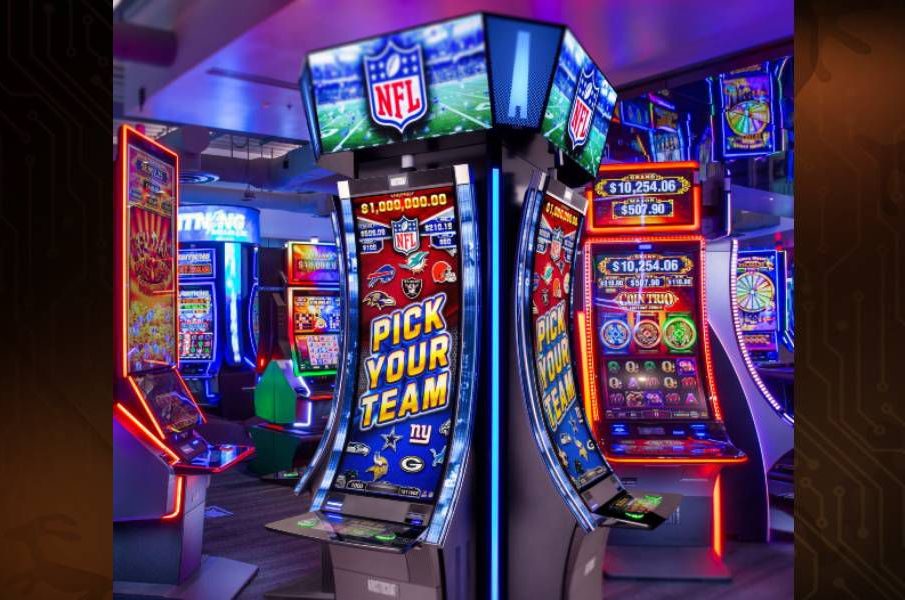
A game’s control placement affects how players interact with it. Users experience online slots differently depending on the position of control buttons. Usability principles ensure that buttons, sliders, and information displays appear where players expect them. It minimizes interaction errors and creates intuitive navigation patterns. The placement of controls emphasizes speed, clarity, and accessibility.
Finger reach optimization
Mobile slot layouts within a situs toto align control placement with typical one-handed interaction patterns. Primary controls like spin buttons occupy bottom-centre positions where thumbs rest naturally during vertical phone holding. This placement reduces finger stretching and allows rapid repeated spins without awkward hand repositioning. Bet adjustment controls typically flank the main spin button within easy reach. Information displays migrate to upper screen areas outside primary interaction zones, preventing accidental taps while keeping data visible. The spatial arrangement follows heat mapping studies showing where users naturally tap most frequently, concentrating critical functions in high-interaction zones while positioning secondary features in peripheral areas requiring deliberate targeting.
Visual hierarchy implementation
Control sizing follows importance rankings, where primary actions receive larger touch targets than secondary functions. Spin buttons dominate interfaces with substantial dimensions, ensuring easy activation even during rapid play. Settings access, paytable viewing, and history checking use smaller icons since these functions get accessed less frequently. High-contrast primary buttons draw immediate attention versus muted secondary controls that blend into backgrounds until needed. A layered approach creates a natural flow through interface elements without forcing users to think about where specific controls are located.
Information proximity principles
Related controls cluster together following Gestalt principles of grouping. Bet size adjustments, line selection, and coin value modifications appear adjacent since these settings collectively determine total wager amounts. Players making bet changes expect to find all relevant controls grouped logically rather than scattered across interfaces. Game information like balance displays, win amounts, and bonus meters occupies dedicated regions where players learn to check status consistently. This proximity reduces search time and creates predictable patterns where players know exactly where to look for specific information categories without scanning entire screens.
Error prevention mechanics
Control placement deliberately prevents accidental activations of irreversible actions through several mechanisms:
- Maximum bet buttons are positioned away from standard spin controls, requiring intentional reaches rather than inadvertent taps during routine play.
- Cash-out and settings access are located in screen corners furthest from primary interaction zones, making accidental activation during normal spinning unlikely.
- Confirmation dialogs appear for significant actions like bet maximization or game exits, providing fail-safes even when players accidentally trigger these controls.
- Visual separation through spacing and dividers distinguishes critical controls from standard gameplay buttons, creating clear boundaries between routine and consequential actions.
These protective measures balance accessibility for intentional use against the prevention of costly mistakes during fast-paced play sessions.
Accessibility consideration integration
Usability principles extend beyond typical users to accommodate diverse needs. Larger touch targets benefit players with motor control variations. High-contrast color schemes aid those with vision differences. Consistent positioning across games helps players with cognitive variations build transferable navigation skills. Alternative input methods, like keyboard controls on desktop versions, accommodate players unable to use pointing devices effectively. These inclusive design considerations expand potential audiences while improving experiences for all users through clearer, more forgiving interfaces.
Control placement in online slots reflects sophisticated application of usability research and accommodates diverse user needs across device types. The thoughtful positioning creates seamless interactions where players focus on entertainment rather than struggling with interface mechanics.


